
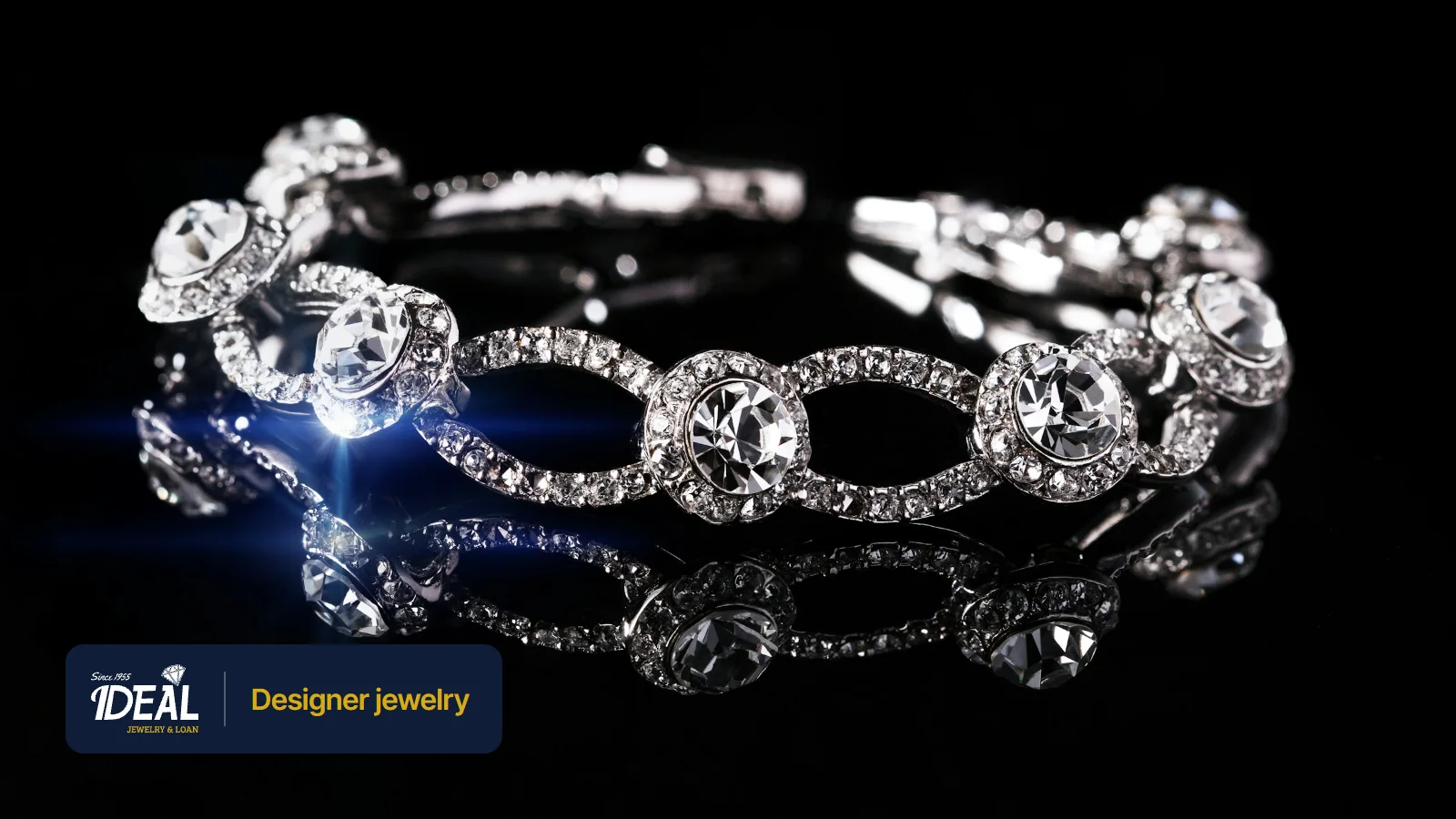
A Tiffany necklace, a Cartier bracelet or a David Yurman cable bracelet is not priced like an ordinary piece of jewelry. A recognized name can add real value on top of the metal and stones, but only when the piece is authentic, in good condition and sold in the right place. Sold the wrong way, a designer piece can fetch little more than its weight in metal.
This guide covers what makes a designer piece worth more, how buyers check that it is genuine, what to bring, and where to sell it.
What Makes a Designer Piece Worth More Than Its Metal
Every piece of jewelry has a floor value: the gold, silver or platinum it contains, plus any stones. A designer name can add to that, because there is a resale market of buyers who want the brand and the design, not just the metal.
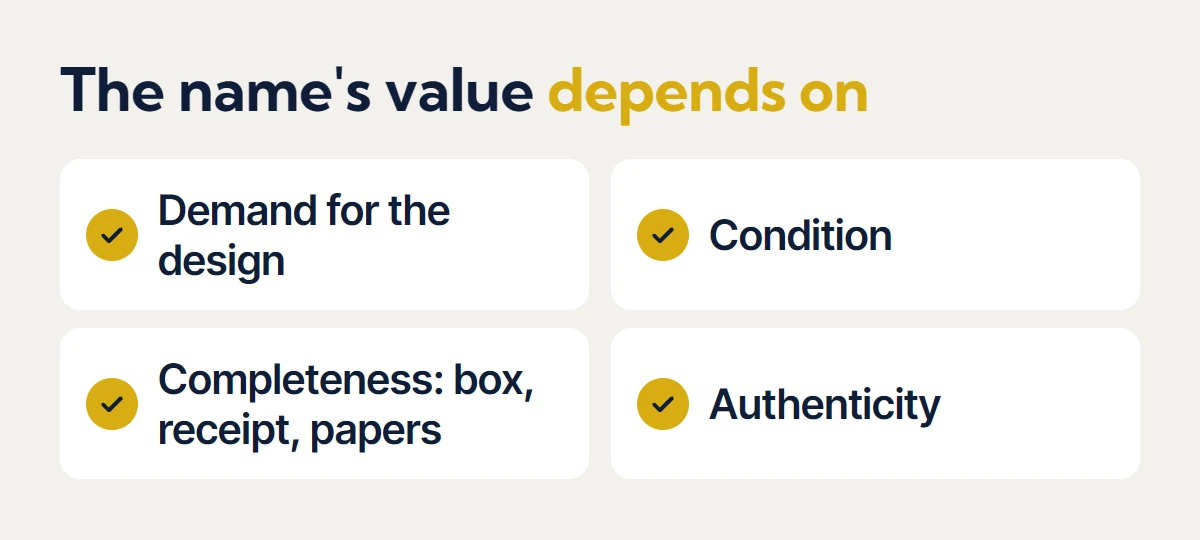
How much the name adds depends on several things:
- Demand for the design. Well-known collections and styles that are still sold new tend to resell more easily than discontinued or obscure pieces.
- Condition. Deep scratches, dents, stretched links and missing stones all reduce what a resale buyer will pay.
- Completeness. Original boxes, pouches, receipts and certificates make a piece easier to resell.
- Authenticity. Without confidence that it is genuine, a buyer can only pay for the metal.
Check What Your Piece Is Made Of
Designer jewelry is made in a range of metals, and the metal sets the floor. David Yurman’s own bracelet listings, for example, include pieces in sterling silver, pieces in 18K yellow gold, and pieces in sterling silver with 14K yellow gold. A sterling bracelet and an 18K gold bracelet from the same brand have very different metal values, even if they look similar.
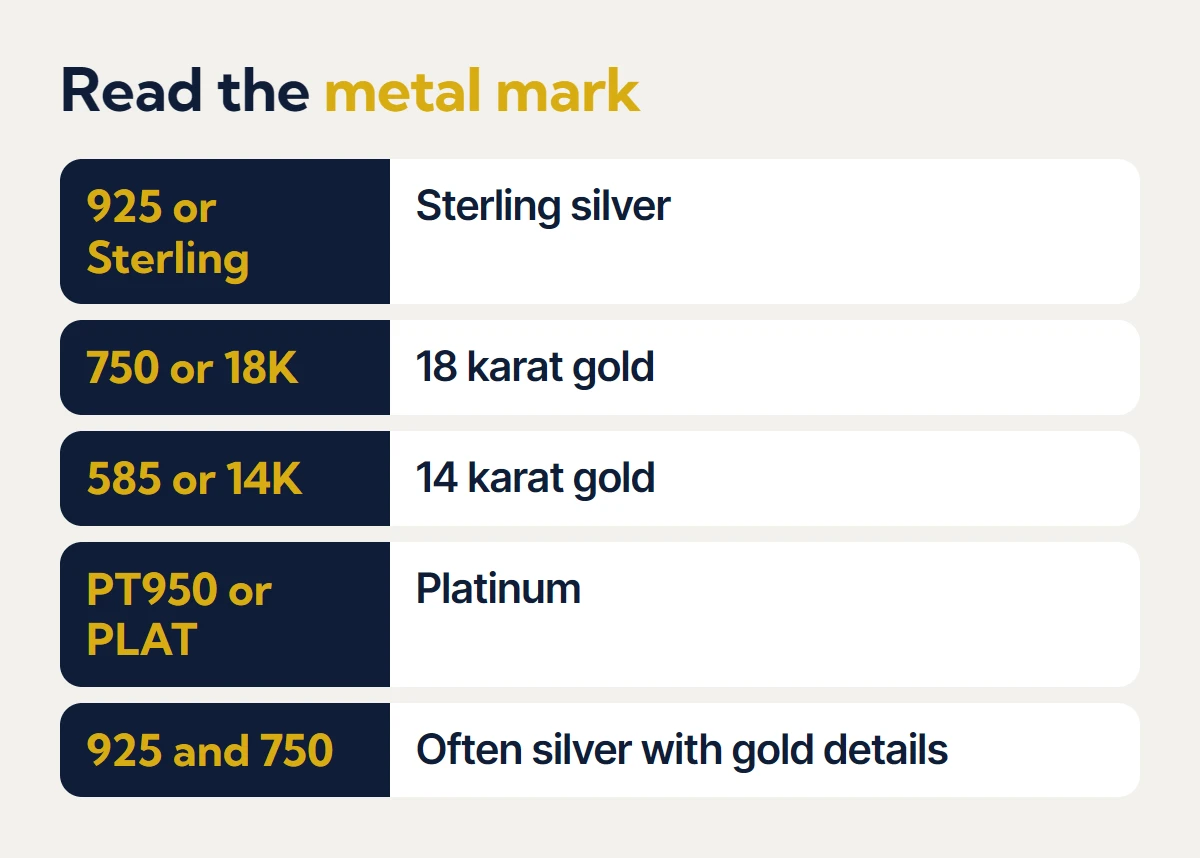
Look for the metal marks, usually beside the brand’s name or initials:
- 925 or Sterling for sterling silver.
- 750 or 18K for 18 karat gold, and 585 or 14K for 14 karat gold.
- PT950 or PLAT for platinum.
- Two marks together, such as 925 and 750, often mean a mixed-metal piece: silver with gold details.
If you are not sure what a mark means, our guide to reading gold stamps covers the common ones, and a buyer can test the metal before making an offer.
Authenticity: Why Buyers Check So Carefully
Counterfeits are a real problem in designer jewelry, and the brands say so themselves. David Yurman’s counterfeit warning says the company “regularly” finds counterfeit David Yurman products in popular online marketplaces, that counterfeiters may advertise items as “pre-owned,” and that such products are not guaranteed to be authentic even when a site offers “authentication” services.
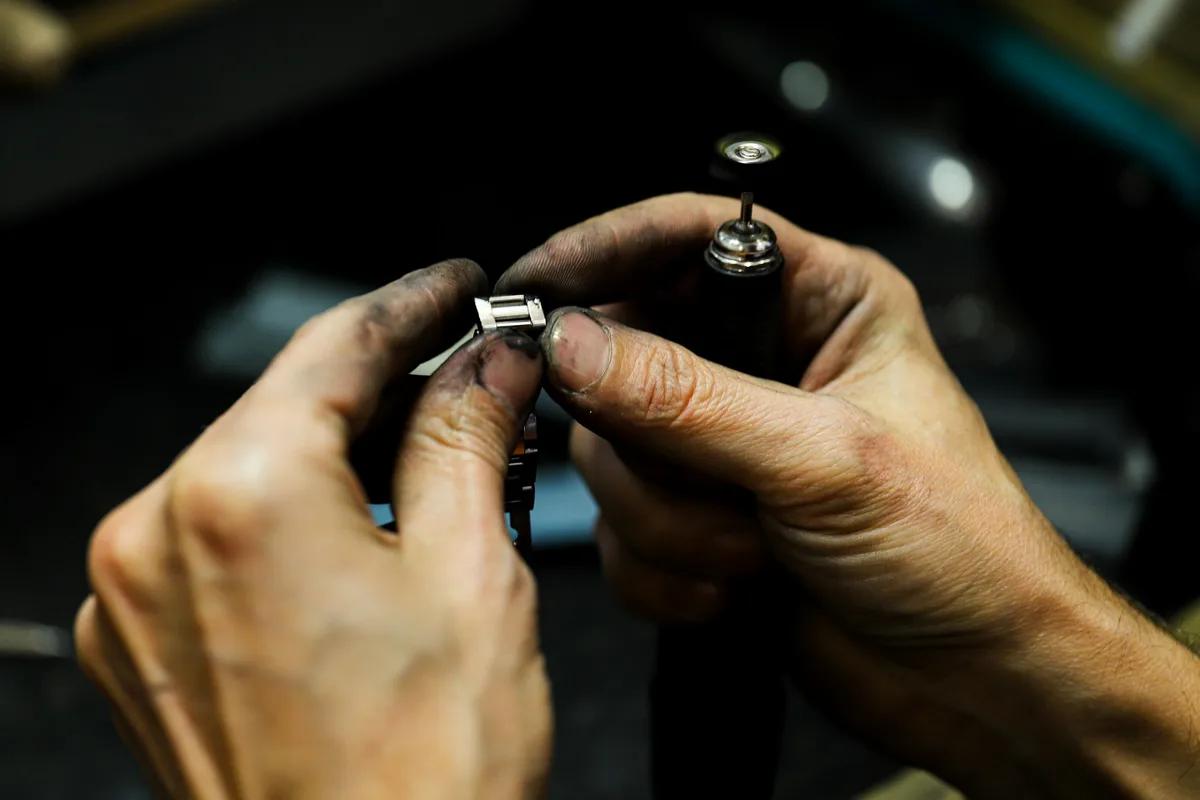
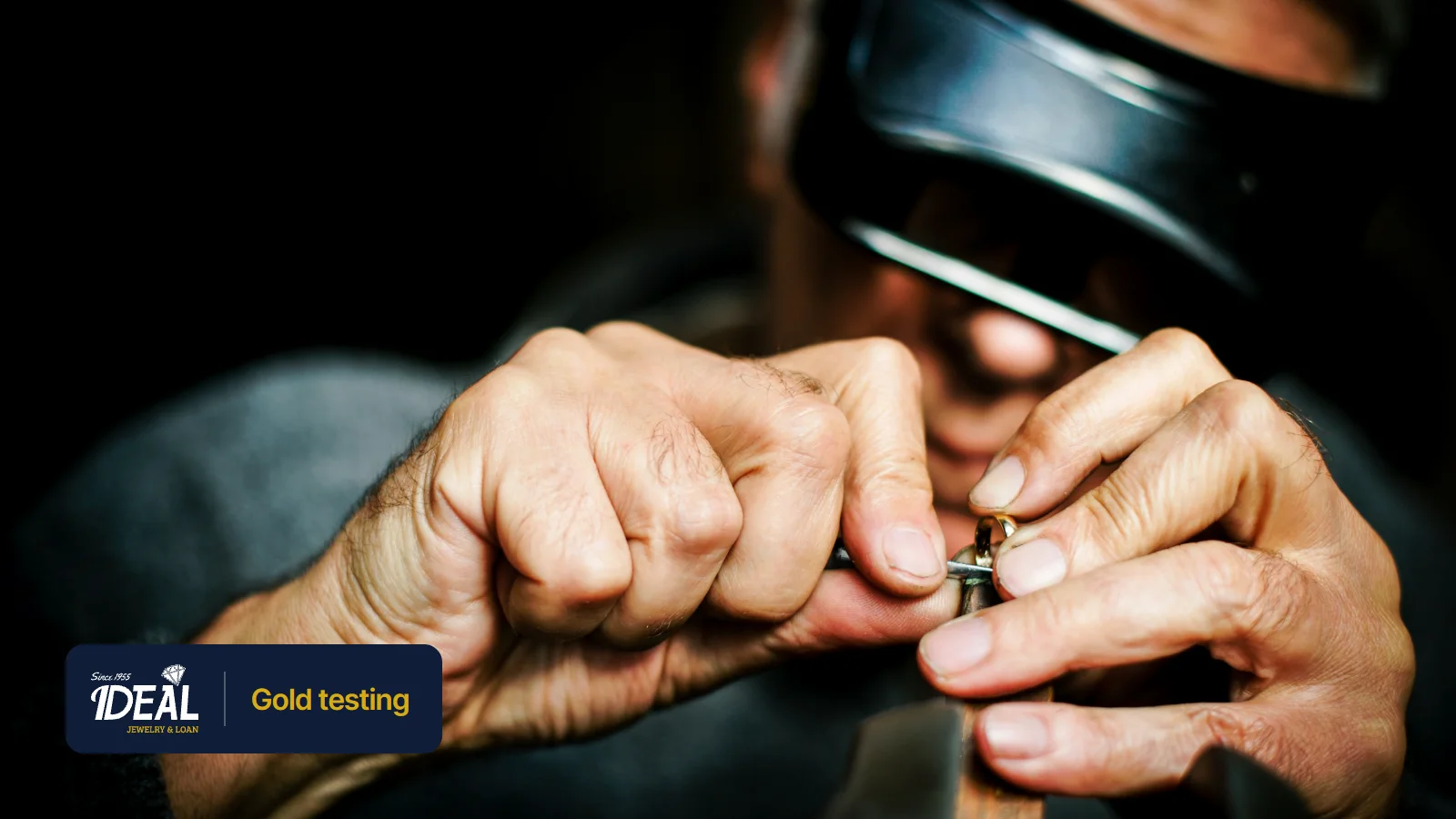
That is why an experienced buyer looks at more than the logo stamp. They check the quality and placement of the marks, the weight and feel of the piece, how clasps and links are made, and whether the metal tests as what the stamp says. Paperwork and packaging help, but they are not proof on their own, because boxes and pouches can be bought separately.
For you as a seller, the practical point is simple: the more evidence you can bring, the more confident an offer can be.
What to Bring When You Sell
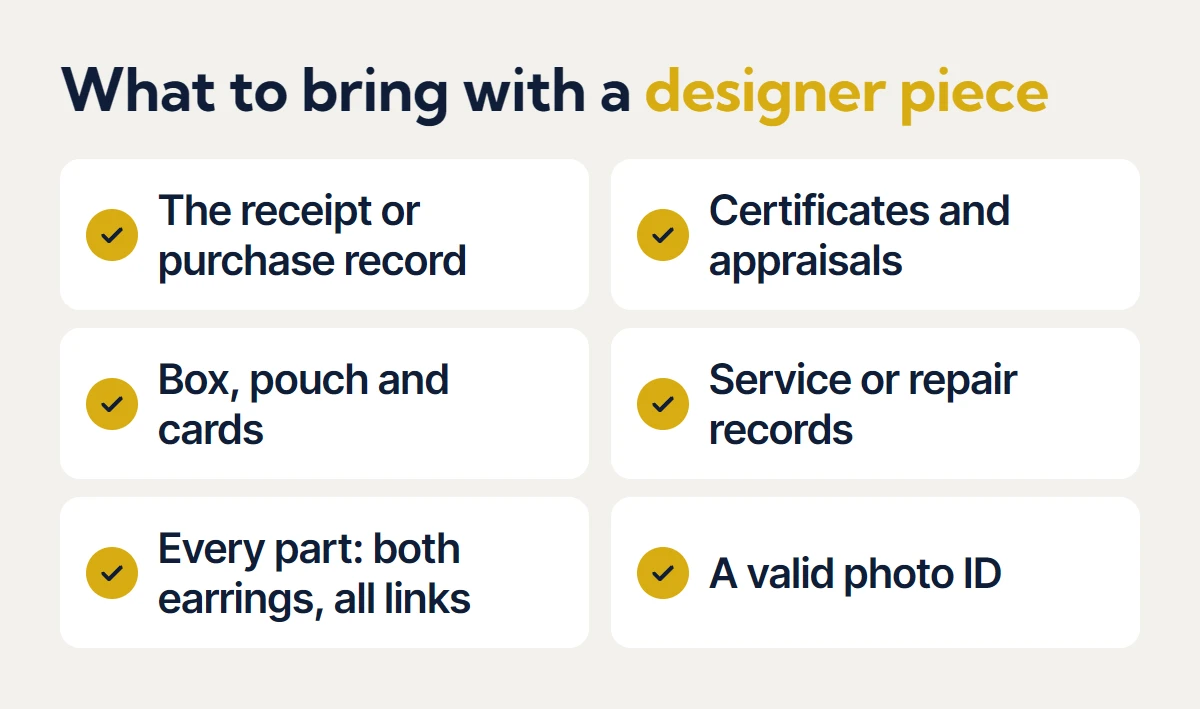
- The original receipt, if you have it, or any record of where the piece was bought.
- Certificates and appraisals, especially for pieces with diamonds.
- The box, pouch and any cards that came with it.
- Service or repair records from the brand or a jeweler.
- Both earrings, every link and any removed parts. Matching sets and complete pieces are worth more than parts.
- A valid photo ID. Most licensed buyers ask for one.
Clean the piece gently if it is dusty, but do not polish out scratches or try a home repair. A poor repair can lower the value more than the original wear.
Where to Sell Designer Jewelry
Each route trades speed against price and effort.
| Option | How fast you are paid | Main trade-off |
|---|---|---|
| Local buyer (pawn shop, jeweler, gold buyer) | Usually the same day | Offers vary; get more than one |
| Consignment shop | Only when it sells | Can bring more, but you wait and the shop keeps a share |
| Online luxury resale site | Days to weeks | You ship the piece first; commissions and authentication rules apply |
| Private sale | When you find a buyer | You handle safety, payment and proving it is genuine |
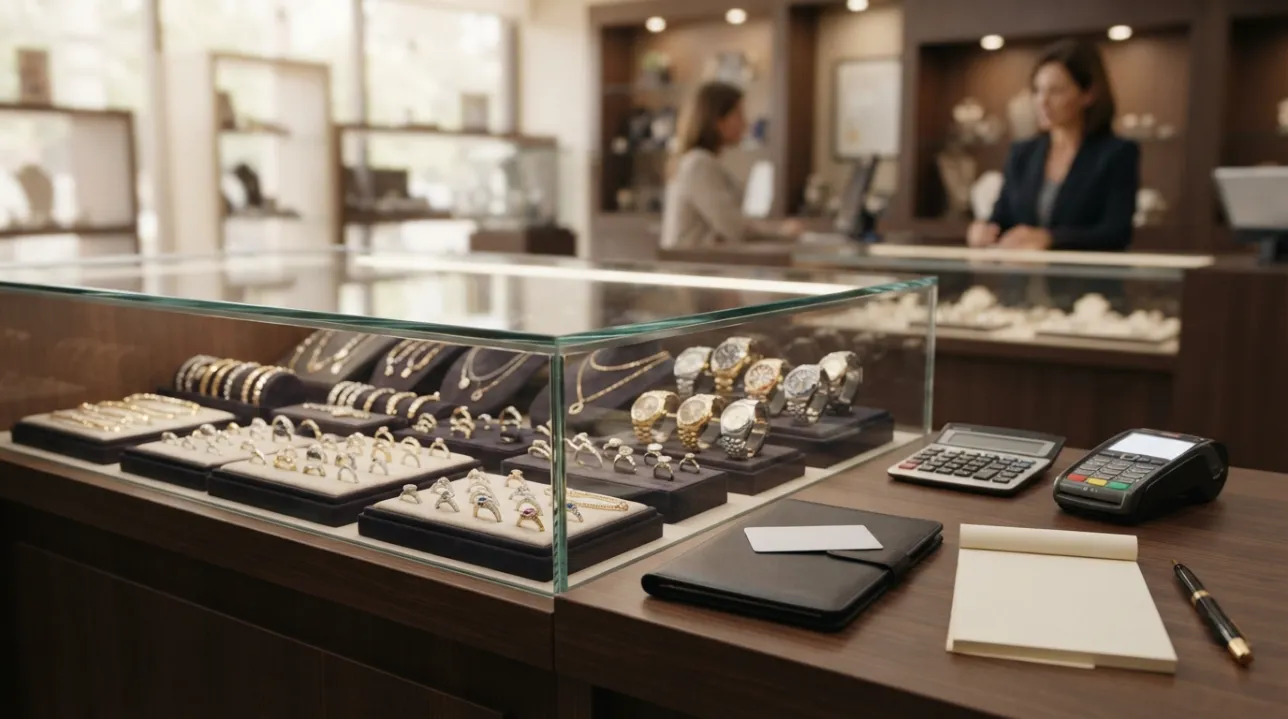
Selling locally lets you see the piece examined, ask how the offer was reached, and leave with cash or with your jewelry. Consignment and online resale can make sense for a high-demand piece if you are willing to wait and pay a commission. Private sales can bring a higher number but carry the most risk, and buyers are understandably wary of designer pieces from strangers.
Designer Pieces With Diamonds
When a designer piece includes diamonds, two kinds of value sit on top of each other: the brand and the stones. A buyer will look at the diamonds on the 4Cs (color, cut, clarity and carat weight), at the metal in the setting, and at the brand and design together.
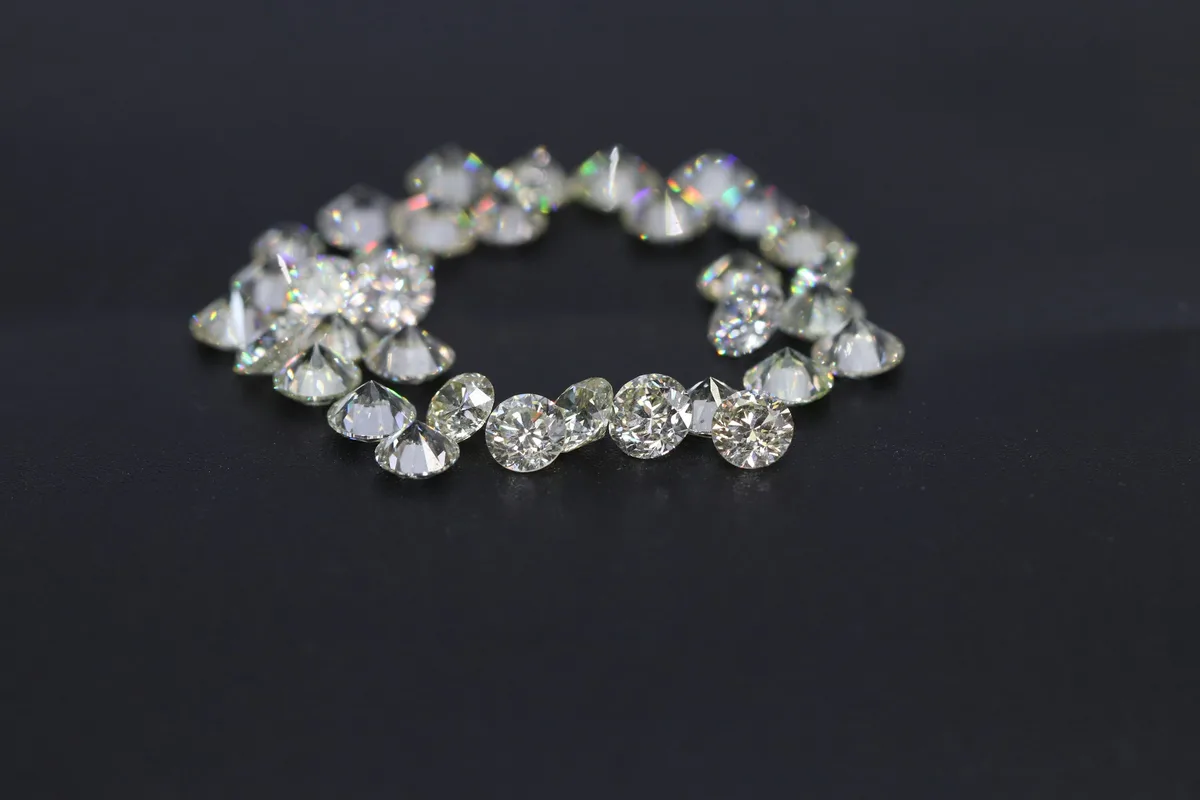
Paperwork matters more here than with plain metal pieces. A grading report from a recognized lab, or the documentation that came with the piece, tells the buyer exactly what the stones are instead of leaving them to estimate. If you have a recent appraisal for insurance, bring it too, but keep in mind that an insurance appraisal reflects the cost of replacing the piece new, which is usually well above what it resells for.
Keep It, Pawn It or Sell It
Designer jewelry often carries a story: a milestone gift, an anniversary, a first big purchase. There is no reason to rush. If you need cash now but might want the piece back, a pawn loan lets you borrow against it and redeem it later by repaying the loan and fees within the term. If you are sure you are ready to let it go, selling gives you the full purchase offer up front. Either way, getting the piece evaluated first tells you what it is worth before you decide.
Selling Designer Jewelry at Our Brockton Shop
Ideal Jewelry and Loan has bought and lent on fine jewelry in downtown Brockton since 1955, and our shop is at 242 Main St. Here is what to expect:
- Branded pieces from Tiffany, Cartier and similar makers receive higher offers than unbranded jewelry of similar quality.
- We give a free, no-obligation evaluation, and diamonds are assessed on the 4Cs together with the value of the setting.
- We buy gold in every karat, tested on-site and priced against the current daily rate.
- If you would rather keep the piece, we can explain a jewelry loan instead, with no credit check.
No appointment is needed. We are open Monday through Friday 9am to 5pm and Saturday 10am to 4pm. Call us at 1-508-583-8448 or send us a message before you come in if you would like to describe the piece first.
Frequently Asked Questions
Do pawn shops buy Tiffany or Cartier jewelry?
Many do, and the brand matters to the offer. At our shop, branded pieces from Tiffany, Cartier and similar makers receive higher offers than comparable unbranded jewelry, provided they are authentic.
Is designer sterling silver worth more than its silver?
Often, yes. The silver itself is worth relatively little, so most of the value of a designer sterling piece comes from the brand, the design and the condition. That is also why authenticity matters so much for silver pieces.
Do I need the box and receipt to sell designer jewelry?
No, but they help. A receipt, certificate or original packaging makes a piece easier to verify and resell, which can support a better offer.
How is a designer piece priced?
A buyer looks at what the piece resells for in its condition, then at its metal and stone value as a floor. Ask any buyer to explain which of the two their offer is based on.
Can I pawn designer jewelry instead of selling it?
Yes. A pawn loan lets you borrow against the piece and get it back by repaying the loan and fees within the term. Our guide to pawning versus selling jewelry compares the two.