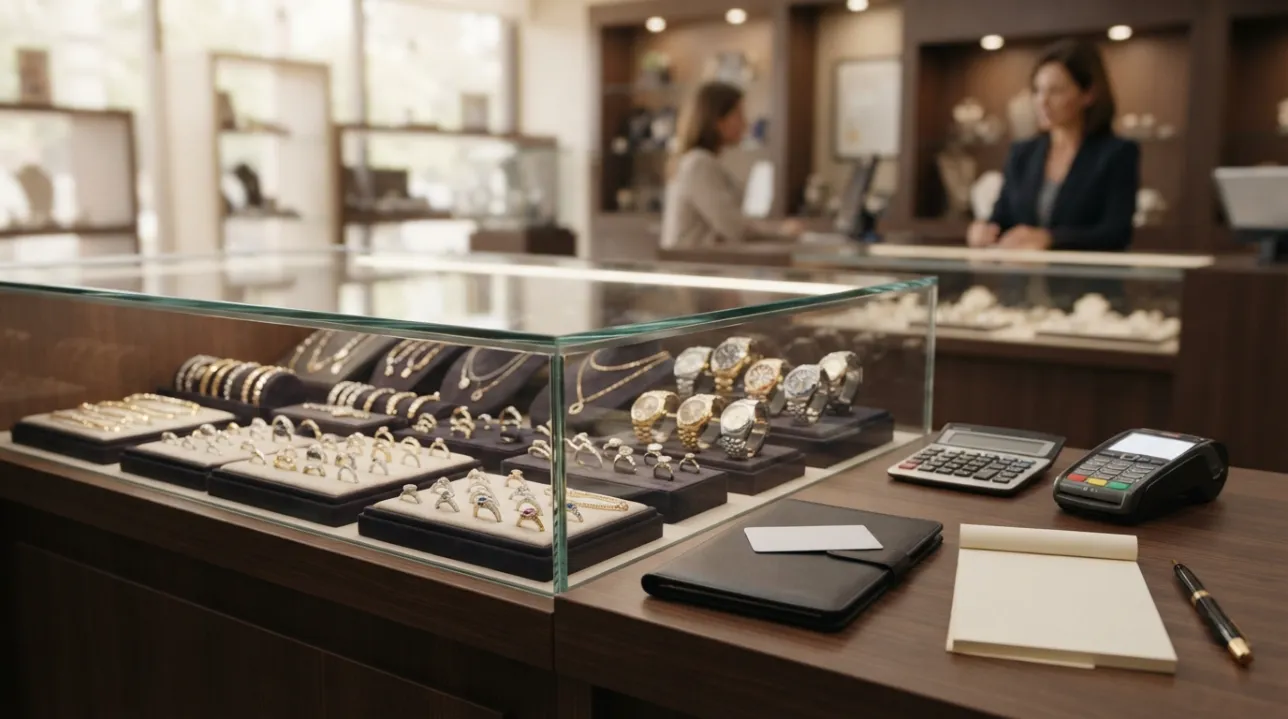

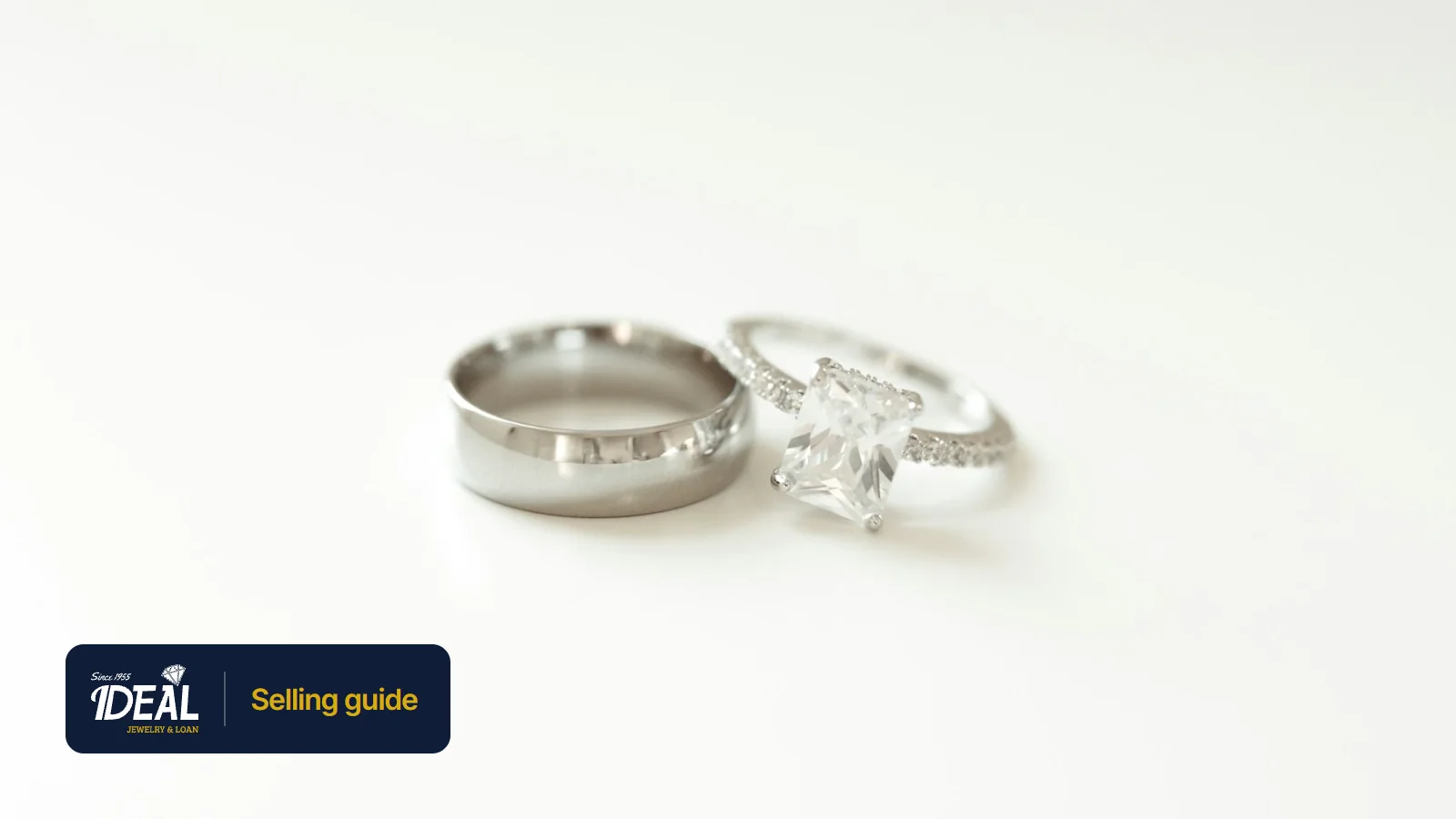
Deciding what to do with a wedding or engagement ring after a divorce is rarely just a money question. For some people the ring is a reminder they would rather not keep in a drawer. For others it is a practical asset that can help pay for a move, a deposit or legal costs. Either way, it helps to know what the ring is actually worth, where you can sell it, and whether you are allowed to sell it yet.
This guide walks through those questions in order, with a few details that are specific to Massachusetts.
First, Make Sure You Are Allowed to Sell It
If your divorce is still in progress, check this before anything else. In Massachusetts, an automatic restraining order applies to both spouses in every divorce or separate support case, and it stays in effect while the case is open. Under Supplemental Probate and Family Court Rule 411, neither spouse may “sell, transfer, encumber, conceal, assign, remove or in any way dispose of any property” belonging to either party, with limited exceptions such as reasonable living expenses, reasonable attorney’s fees, a written agreement of both parties, or an order of the court.
The order takes effect for the person who files when the complaint is filed, and for the other spouse when they are served. Two points are easy to miss:
- It covers personal property, so a ring counts, even if it was a gift to you.
- “Encumber” means pawning is covered as well as selling. Using the ring as collateral for a loan during the case can break the order just as a sale can.
Once the divorce is final, look at what your separation agreement or judgment says about jewelry and other personal property. If it is unclear who the ring belongs to, ask your attorney before you sell. This article is general information, not legal advice.
Sell, Keep, Pawn or Pass It On
Selling is not the only choice, and it is worth deciding on purpose rather than in a hurry.
- Keep it for now. There is no deadline. Some people put the ring away and decide a year later, when the decision feels less loaded.
- Pass it on. Some parents keep the diamond for a child, or have a jeweler reset it into a different piece of jewelry.
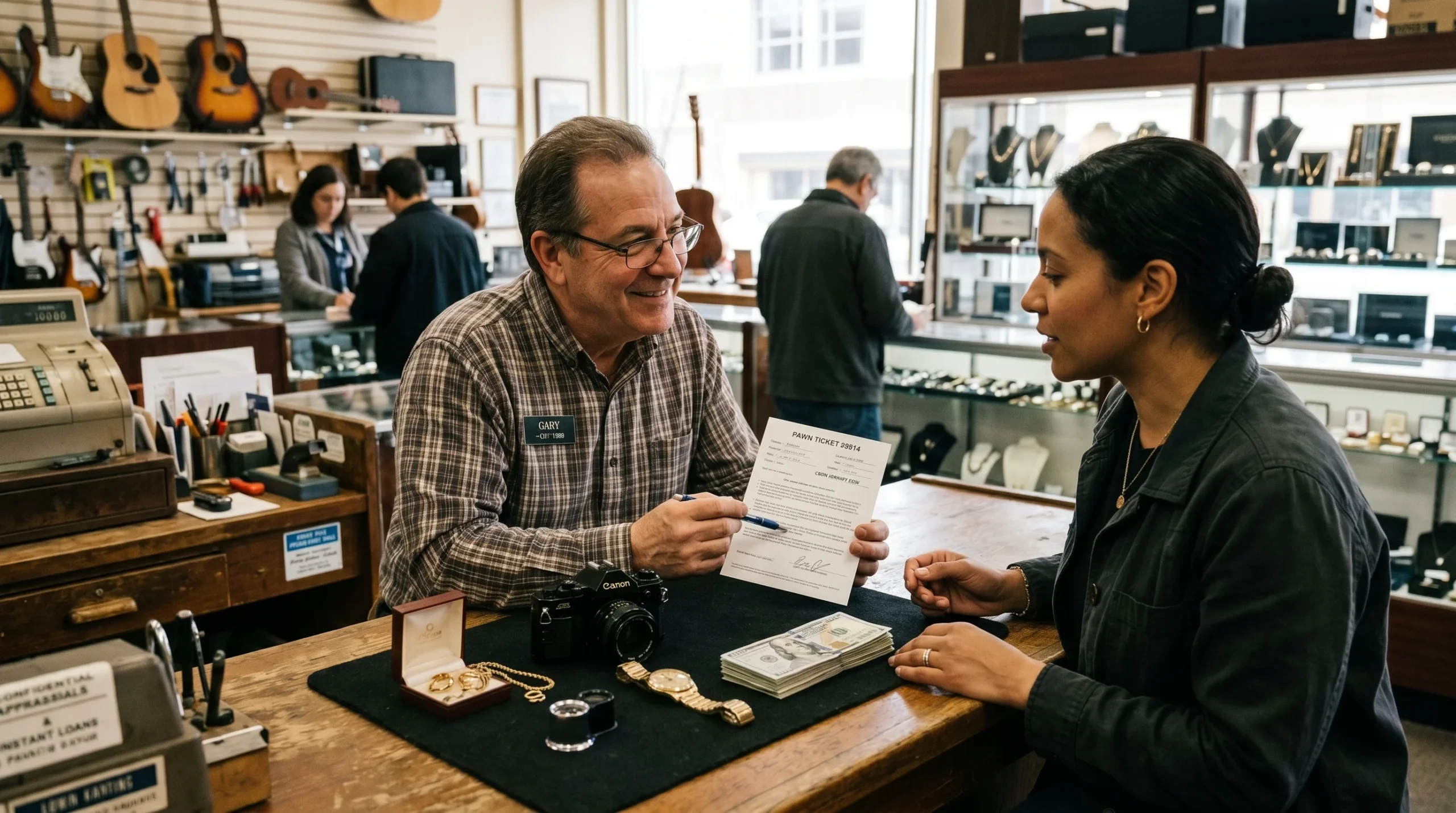
- Pawn it. A pawn loan gives you cash now while keeping the option to get the ring back by repaying the loan and fees within the term. That can make sense if you need money quickly but are not sure you want to part with it for good.
- Sell it. A sale gives you the full cash offer up front and closes the chapter. You give up ownership permanently.
If you are leaning toward selling but still unsure, our guide to pawning versus selling jewelry compares the two in more detail.
What Your Ring Is Worth When You Sell It
A ring is usually valued in two parts: the metal and the stones. Knowing how each part is priced helps you understand any offer you receive.
The band: metal weight and purity
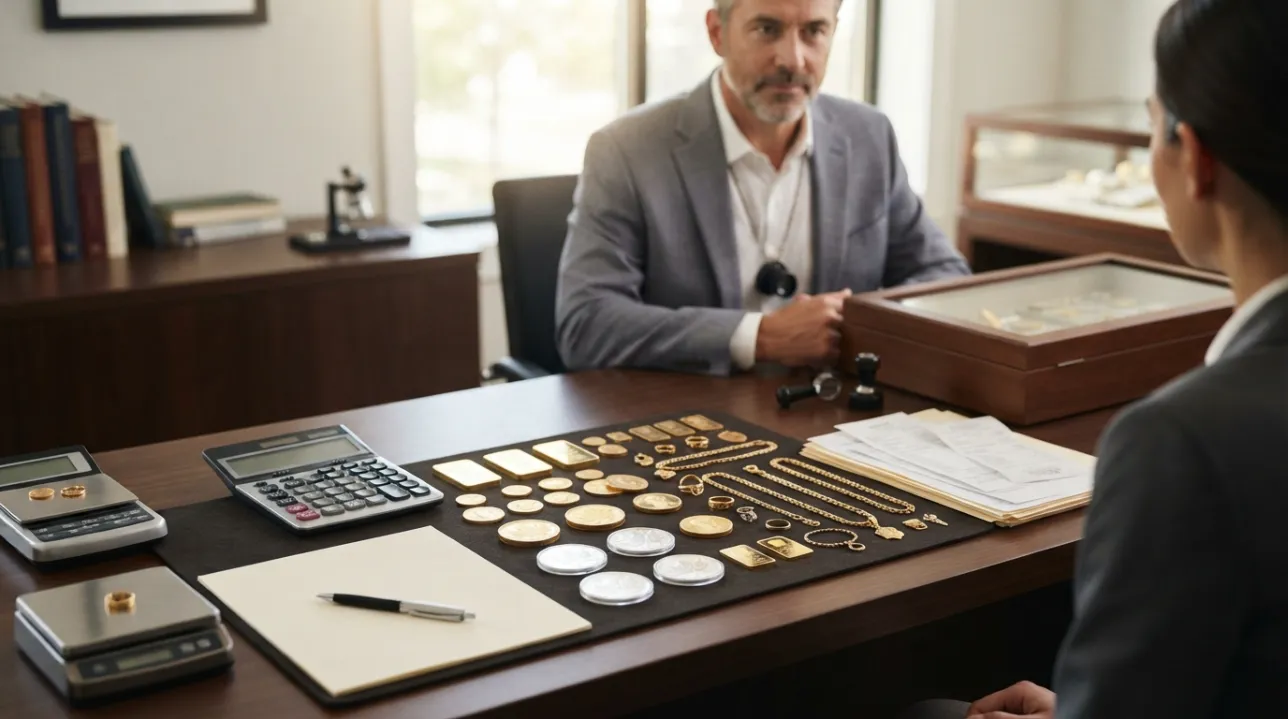
A plain wedding band is valued mostly on its precious metal content. The buyer weighs it, tests the metal, and works out the value from the purity and the current market price. Gold purity is usually stamped inside the band, for example 10K, 14K or 18K. A higher karat means more pure gold per gram, so an 18K band is worth more than a 14K band of the same weight.
You can get a rough idea of what the gold in a band is worth with our gold price per gram calculator. Keep in mind that a buyer’s offer will be below the raw metal value, because the gold still has to be refined.
Bands made from tungsten, titanium, stainless steel or cobalt contain no precious metal, so they have little resale value even if they were not cheap to buy.
The diamond: the 4Cs, paperwork and brand
Diamonds are judged on the 4Cs: color, cut, clarity and carat weight. The Gemological Institute of America explains each factor if you want to understand your stone before you get an offer. A few other things also matter:
- A grading report. A certificate from a recognized lab tells the buyer exactly what the stone is, which can make an offer more confident.
- The setting. The gold or platinum in the setting has its own metal value on top of the stone.
- The brand. Signed pieces from makers such as Tiffany or Cartier usually receive higher offers than unbranded rings of similar quality.
Why the offer will be lower than what was paid
This is the part that surprises most people. The retail price of a ring includes the store’s markup, design, labor and overhead. A buyer of used jewelry is paying for what the ring can be resold or refined for, not what it originally cost. It does not mean the ring was overpriced or that the offer is unfair. It is simply how the resale market works, and it is the same at every type of buyer.
Where to Sell: Your Options Compared
There are four common ways to sell a ring. Each one trades speed and convenience against effort and risk.
| Option | How fast you are paid | Who checks the ring | Main drawback |
|---|---|---|---|
| Local buyer (pawn shop, jeweler, gold buyer) | Same day | The buyer, in person | Offers vary from shop to shop |
| Consignment | Only when the ring sells | The consignment shop | Can take weeks or months, and the shop keeps a share |
| Online buyer or auction | Days to weeks | The company, after you ship it | You part with the ring before you see the final number |
| Private sale | When you find a buyer | You and the buyer | Safety, scams and proving the ring is genuine |
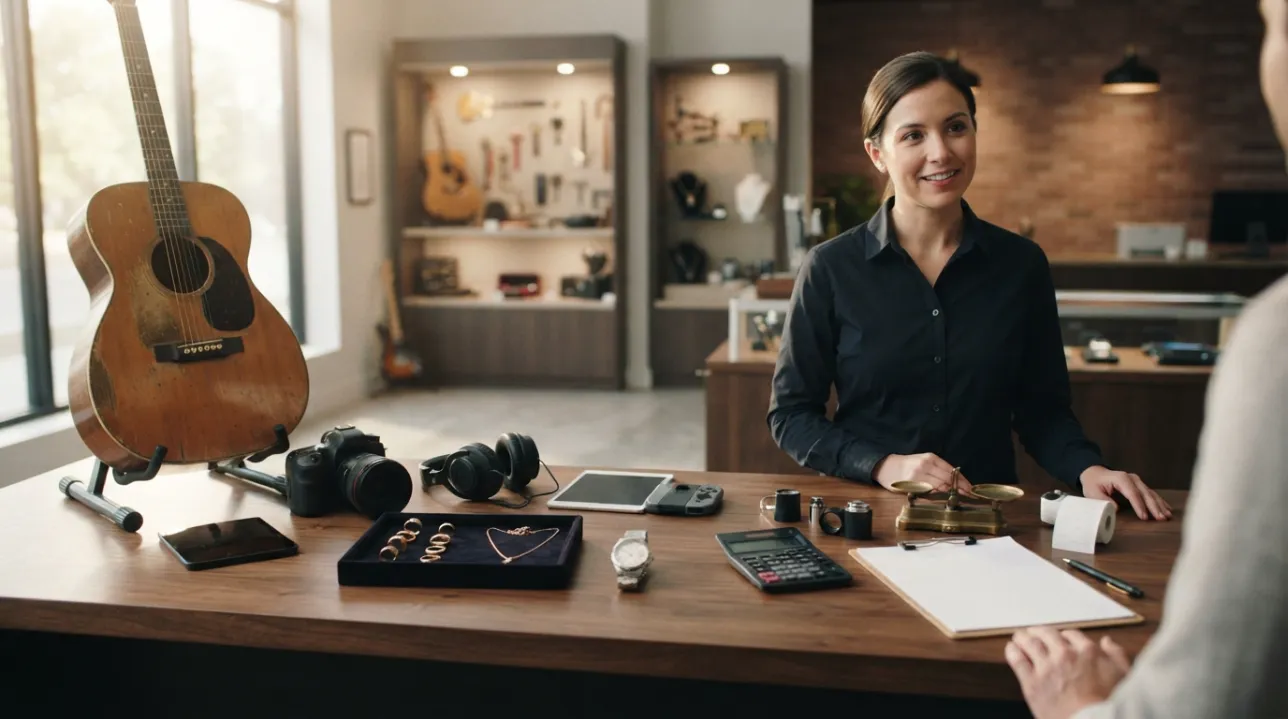
Local buyers are the quickest route. You can watch the ring being tested and weighed, ask questions, and walk away if the number does not work for you. Getting offers from more than one shop is reasonable and expected.
Consignment can return more for a high-value or designer piece, but only if the ring actually sells, and you wait while it sits in a case.
Online buyers and auctions suit people who are comfortable shipping an insured package and waiting. Read the return terms carefully in case you decline the offer.
Private sales through marketplace sites can bring a higher price, but you take on the work and the risk. If you go this way, meet in a public place, never accept a check you cannot verify, and expect the buyer to want proof of what the ring is.
How to Prepare Before You Get an Offer
A little preparation makes the visit faster and the offer easier to understand.
- Gather any paperwork. The original receipt, a grading report or an insurance appraisal all help, even if they are years old. None of them is required.
- Look for the stamps. Check the inside of the band for a karat or platinum mark so you know what to expect.
- Leave it as it is. A gentle clean is fine, but do not try to repair, resize or remove stones before an appraisal.
- Bring a valid photo ID. Most licensed buyers ask for one, and a pawn loan requires it.
- Treat the band and the engagement ring separately. They are often valued in different ways, and you may decide to sell one and keep the other.
- Ask how the number was reached. A good buyer will tell you the weight, the purity and the market price behind a gold offer, and how they graded a diamond.
Do You Owe Tax When You Sell a Ring?
Usually not, but it depends on the numbers. Most people sell a ring for less than it cost, and the IRS states in Topic 409 that losses from the sale of personal-use property are not tax deductible. If you do sell for more than you paid, for example an older piece that has risen in value, the gain is taxable. Our guide to taxes when you sell gold or silver covers how gains are reported, and a tax professional can tell you how it applies to you.
Selling a Ring at Our Brockton Shop
Ideal Jewelry and Loan has bought and lent on jewelry in downtown Brockton since 1955, and our shop is at 242 Main St. If you are thinking about selling a wedding band or an engagement ring, here is how a visit works:
- We give a free, no-obligation diamond evaluation based on the 4Cs and the value of the setting.
- Gold is tested on-site and priced against the current daily market rate, in any karat and any condition. You can read more about selling gold jewelry with us.
- If you would rather keep the option of getting the ring back, we can explain a jewelry loan instead. There is no credit check.
No appointment is needed. We are open Monday through Friday 9am to 5pm and Saturday 10am to 4pm. You can call us at 1-508-583-8448 or send us a message with any questions before you come in. There is no pressure to decide on the spot.
Frequently Asked Questions
Can I sell my engagement ring before the divorce is final?
Only in limited situations. While a Massachusetts divorce case is open, Rule 411 bars both spouses from selling or pawning property except for things like reasonable living expenses or attorney’s fees, with the written agreement of both spouses, or with a court order. Talk to your attorney before you sell or pawn it.
Do I need the original receipt or diamond certificate?
No. A ring can be evaluated and sold without paperwork. A grading report or appraisal can still help, because it tells the buyer exactly what the stone is.
Should I sell the wedding band and engagement ring together?
Not necessarily. A plain band is valued mostly on its metal, while an engagement ring is valued mostly on its diamond. Getting a separate number for each lets you decide whether to sell one, both or neither.
Should I pawn my ring instead of selling it?
Pawning makes sense if you need cash now but may want the ring back later, since you can redeem it by repaying the loan and fees within the term. Selling makes sense if you are sure you want to let it go, because you receive the full purchase offer instead of a loan.
How is a gold wedding band valued?
By its weight, its gold purity and the current market price of gold. A buyer weighs and tests the band, then makes an offer below the raw gold value to cover refining. Higher karat and heavier bands are worth more.