

Getting cash for pawn means bringing in an item of value, such as jewelry, coins, or electronics, and receiving a short-term loan based on what that item could resell for. You keep the option to repay the loan and get your item back, which makes pawning different from an outright sale.
Key Takeaways
- The average pawn loan amount in the United States is around $150, according to the National Pawnbrokers Association.
- Roughly 85% of pawn loans nationwide are repaid, and the borrower reclaims their item.
- Pawnbrokers typically offer around 60% of an item’s resale value as the loan amount.
- About 42% of U.S. adults have used a pawn service at least once, and inflation has pushed more first-time customers into pawn shops in recent years.
- No credit check, no bank account, and no ongoing debt risk are the core reasons people choose pawn loans.
How Does a Cash for Pawn Loan Actually Work?
You bring in an item, a pawnbroker appraises it and offers a loan amount, and if you accept, you receive cash and the item stays with the shop as collateral. You then have an agreed period, often 30 to 90 days depending on state law, to repay the loan plus interest and fees and reclaim your item.
Pawnbrokers generally offer around 60% of what they believe an item can resell for, which protects the shop if a loan goes unpaid and the item needs to be sold. That is why a $150 average loan amount, cited by the National Pawnbrokers Association, tends to reflect items with a resale value closer to $250.
The Pawn Loan Process, Step by Step
- Bring the item and valid ID to a licensed pawnbroker.
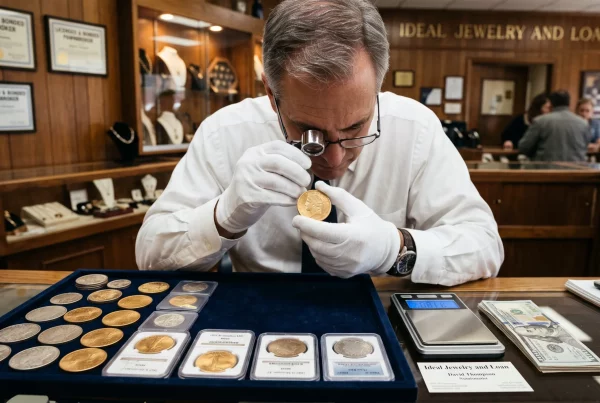
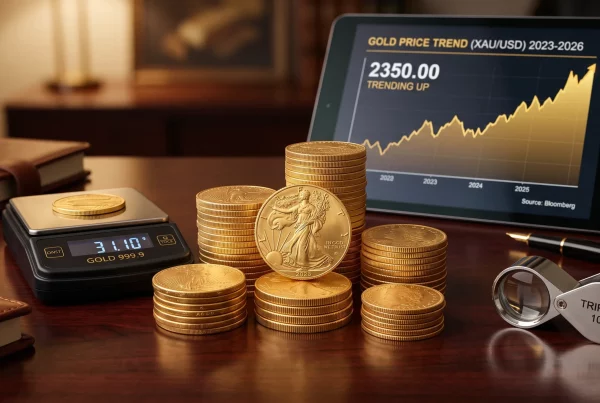
- The item is appraised based on condition, resale demand, and, for metals, current spot price.
- You receive a loan offer, typically around 60% of estimated resale value.
- You sign a pawn ticket recording the loan amount, interest, fees, and due date.
- You repay within the term to reclaim the item, or let it go if you decide not to repay.
What Happens If You Do Not Repay a Pawn Loan?
If a loan is not repaid within the agreed term, the pawnbroker keeps the item and can sell it to recover the loan amount, and no additional debt is owed by the borrower afterward. This is one of the most important differences between a pawn loan and most other forms of credit: there is no collections process, no credit score impact, and no continuing obligation once the collateral is forfeited.
Nationally, about 85% of pawn loans are repaid and the item is reclaimed, meaning forfeiture is the less common outcome, not the norm. Some shops also offer loan extensions if a borrower needs more time and pays accrued interest, so it is worth asking about extension options before your due date if you think you might need one.
Why Do People Choose Pawn Loans Over Other Options?
Pawn loans require no credit check, no bank account, and no proof of income, which makes them accessible to people who cannot qualify for a traditional loan or would rather avoid the paperwork. Roughly 30 million Americans without full access to traditional banking rely on pawn transactions each year, according to National Pawnbrokers Association data.
Rising costs have also pushed new customers toward pawn services. Over 44% of pawn businesses reported increased walk-in traffic tied to inflationary pressure in recent surveys, and some borrowers specifically prefer pawn loans over payday loans because there is no risk of spiraling debt. Nearly 29% of surveyed pawn customers cited that reason directly, according to recent market research.
Pawn Loans vs. Other Short-Term Credit Options
| Feature | Pawn loan | Payday loan | Credit card cash advance |
|---|---|---|---|
| Credit check required | No | Sometimes | Yes |
| Risk if not repaid | Lose the collateral item only | Recurring fees, growing balance | Interest accrues, debt continues |
| Credit score impact | None | Can be reported to collections | Can affect credit utilization |
| Approval speed | Same day | Same day | Instant if account exists |
What Items Get the Best Cash Offers at a Pawn Shop?
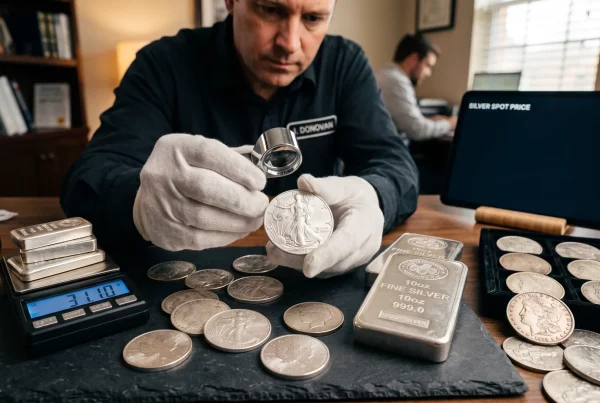
Jewelry and precious metals, including gold, silver, and coins, make up close to 45% of items pawned nationally and tend to receive strong offers because their value is transparent and tied to a daily metal price. Electronics and power tools make up another large share of pawned items, though their resale value can depreciate faster than jewelry or precious metals.
Items with a verifiable resale market, meaning a pawnbroker can reasonably estimate what the item would sell for if forfeited, generally receive better loan offers than niche or hard-to-resell items. That is one reason gold and silver items, including coins, remain some of the most consistently valued categories at pawn shops.
Popular Pawn Categories and What Affects Their Value
- Gold and silver jewelry – metal weight and purity, checked against daily spot price
- Coins and bullion – metal content plus any collector premium
- Watches – brand, working condition, and whether original papers or box are included
- Electronics – age, working condition, and current resale demand
- Tools and musical instruments – brand reputation and working condition
Common Questions People Have Before Their First Pawn Visit
Many first-time pawn customers worry the process will feel intrusive or that they will be lowballed. In practice, licensed pawnbrokers are regulated and required to record transaction details, which protects both sides. Asking upfront how an offer was calculated, and comparing offers between two shops if you have time, are simple ways to walk in feeling more confident.
Is Getting Cash for Pawn Regulated?
Yes. Every state requires licensed pawnbrokers to record identifying information, item descriptions, and loan terms for each cash for pawn transaction, and many states also require a short holding period before an item can be resold. Massachusetts requires municipal licensing for pawnbrokers and detailed recordkeeping on every item accepted, which protects customers from unlicensed operators and creates a documented trail for law enforcement if an item turns out to be stolen property.
This is one reason a licensed pawn shop can feel more procedural than a casual online cash offer. The paperwork, including your ID and a signed pawn ticket, protects you as the borrower by clearly recording the loan amount, the interest rate, and your deadline to reclaim the item. If a business offering cash for pawn will not provide a written ticket, that is a clear warning sign to look elsewhere.
What to Expect When You Ask for Cash for Pawn
Most pawn shops accept walk-ins for a basic appraisal, so you typically do not need to schedule ahead of time. Staff will ask what item you are bringing and whether you want a loan or an outright sale before appraisal begins.
The full process, from check-in to receiving cash, usually takes 15 to 30 minutes for a straightforward item like jewelry or coins. A transparent shop will explain how they calculated your cash for pawn offer rather than simply stating a final number.
Getting Cash for Pawn in Brockton, Massachusetts
For readers in the Brockton, Massachusetts area, Ideal Jewelry and Loan has provided pawn loans and appraisals to local families since 1955, covering jewelry, gold, silver, coins, and other valuables. The shop is located at 242 Main St., Brockton, MA 02301, at the intersection of Belmont and Main Street, and is open Monday through Friday 9am to 5pm and Saturday 10am to 4pm. It serves Brockton along with nearby Stoughton, Quincy, Easton, and West Bridgewater.
This is shared as background for local readers rather than a promotional recommendation. Wherever you choose to pawn an item, ask about the loan term, interest rate, and extension policy up front so there are no surprises at repayment time.
Frequently Asked Questions
How much cash can I get for pawning an item?
Pawnbrokers typically offer around 60% of an item’s estimated resale value, and the average pawn loan in the United States is about $150, though high-value items like gold jewelry or coins can support much larger loans.
Does pawning something affect my credit score?
No. Pawn loans are not reported to credit bureaus, so there is no credit check to get a loan and no credit impact if the loan is not repaid, since the pawnbroker simply keeps the collateral.
How long do I have to repay a pawn loan?
Loan terms vary by state law but commonly run 30 to 90 days, and many shops allow extensions if you pay accrued interest before the due date.
What happens to my item if I cannot repay the loan?
The pawnbroker keeps the item and can sell it to recover the loan amount. You owe nothing further once the item is forfeited, since the loan is fully secured by the collateral.
Is a pawn loan better than a payday loan?
Some borrowers prefer pawn loans because there is no risk of ongoing debt beyond the value of the pawned item, while payday loans can carry recurring fees and larger balances if not repaid quickly. The right choice depends on your individual situation.
What do I need to bring to get a pawn loan?
A valid government-issued photo ID and the item itself are the two essentials. For coins, jewelry, or watches, any certificates, grading slabs, or original paperwork can help support a stronger appraisal.